

RTX’s Collins Aerospace accelerates production with $26.5 million investment in Largo, Florida
RTX has established a strong presence in Florida for over forty years, employing more than 7,000 individuals at eight major locations across the state. The Largo facility of Collins Aerospace plays a pivotal role in the production of radars, satellite components, secure communications, and testing services for both commercial and military clients.
Secretary of Commerce J. Alex Kelly stated, “As a long-standing presence in Florida’s aerospace and aviation sector, Collins Aerospace’s expansion in Largo not only bolsters the growing Tampa Bay-area military and defense cluster, but it also strengthens Florida’s position as a leader in aviation manufacturing and national security. Florida continues to attract leading aerospace manufacturers that are advancing cutting-edge aviation and defense technologies while creating high-skill jobs for Floridians.”
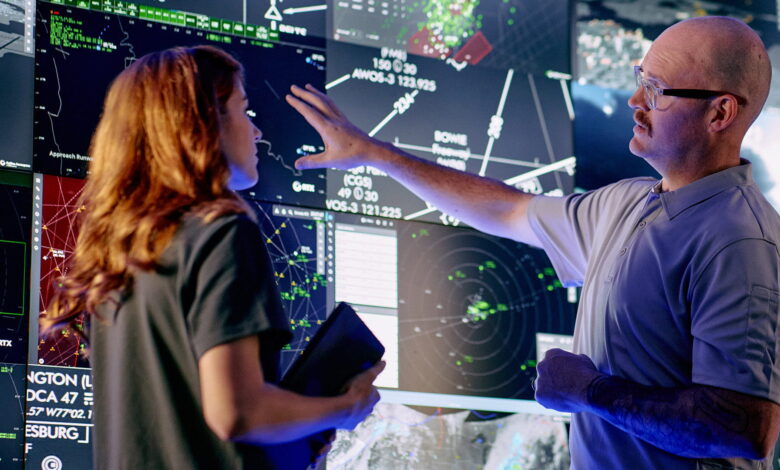
This facility will carry out work related to the Federal Aviation Administration’s (FAA) Radar System Replacement Program, which includes the production of the Condor Mk3, a cooperative surveillance radar system capable of direct communication with aircraft transponders, and the ASR-XM, a non-cooperative radar that detects aircraft through reflected signals.
The production area dedicated to the new radars is anticipated to be fully operational by late 2026.
About Collins Aerospace
Collins Aerospace, part of RTX, is a leader in developing integrated and intelligent solutions for the global aerospace and defense industry. With a workforce of 80,000 employees, the company is committed to advancing sustainable and connected aviation, enhancing passenger safety and comfort, ensuring mission success, and facilitating space exploration.
About RTX
RTX employs over 180,000 individuals worldwide, pushing the boundaries of technology and science to redefine global connections and protection. The company excels in aviation advancements, integrated defense systems, and next-generation technology solutions, catering to the critical challenges faced by global customers while reporting sales exceeding $88 billion in 2025. RTX is headquartered in Arlington, Virginia.
For questions or to schedule an interview, please contact [email protected]
SOURCE RTX
Source: RTX (Raytheon) (2026-05-11 13:00:00)