

RTX’s Raytheon awarded $515 million contract for SPY-6 family of radars
Contract accelerates integration and test support for the U.S. Navy’s most advanced maritime radar
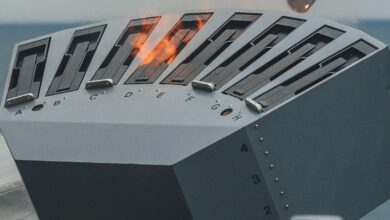
ANDOVER, Mass., June 3, 2026 – Raytheon, part of RTX (NYSE: RTX), has announced it has been awarded a $515 million contract by the U.S. Navy for the SPY-6 family of radars. This contract builds on a previous Integration and Production Support contract awarded in June 2025, which focused on upgrading Flight IIA destroyers with the SPY-6(V)4 variant.
This sole source contract enables Raytheon to continue its vital support for the SPY-6 radar systems not only for the U.S. Navy but also potentially for Germany and additional countries through the Foreign Military Sales program.
Barbara Borgonovi, president of Naval Power at Raytheon, remarked, “With over a decade of demonstrated success at sea, SPY-6 remains the U.S. Navy’s most advanced maritime radar, providing the fleet with unmatched sensing power and multi-mission readiness to counter evolving threats. Backed by an $800 million investment to modernize our radar manufacturing facilities, we’re accelerating production and are expecting to double SPY‑6 output by 2028.”
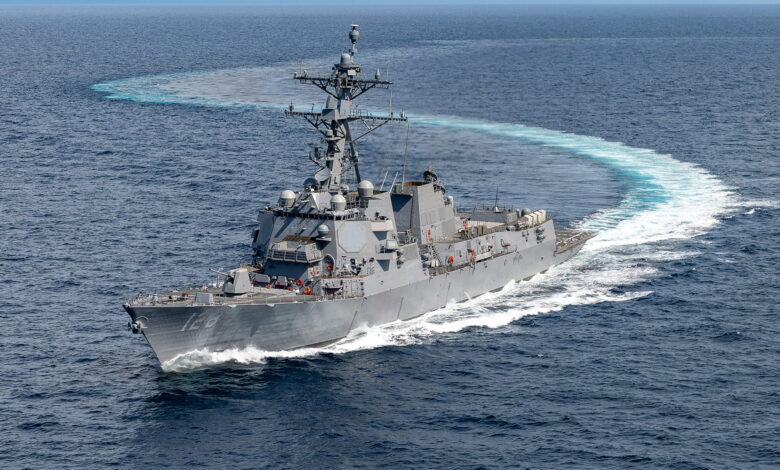
SPY-6 radar systems are currently deployed on two commissioned U.S. Navy ships and are installed on 11 others, all at different testing phases. Looking ahead, SPY-6 is projected to be integrated on over 50 U.S. Navy vessels within the next decade, significantly bolstering defense capabilities against air, surface, ballistic, and electronic warfare threats.
Manufactured at Raytheon’s advanced Radar Development Facility in Andover, Massachusetts, SPY-6 is part of a portfolio of radar programs designed at a state-of-the-art site equipped with a gallium nitride (GaN) foundry for semiconductor production. This facility is renowned for its vertically integrated and highly automated production capabilities.
Raytheon is actively seeking engineers across multiple disciplines to support this critical program. Interested candidates can find more information by visiting our website.
About Raytheon
Raytheon, part of RTX, is a leading provider of defense solutions dedicated to assisting the U.S. government and its allies in ensuring national security. With over a century of experience, Raytheon specializes in air and missile defense, smart weapons, advanced sensors, and various other defense technologies.
About RTX
RTX employs over 180,000 individuals worldwide, striving to advance technology and science to enhance global connectivity and protection. With capabilities spanning aviation and integrated defense systems, RTX aims to develop innovative solutions that address critical global challenges.
For inquiries or interview requests, please contact[email protected].
SOURCE RTX
Source: RTX (Raytheon) (2026-06-03 13:00:00)