

On 24 May, Remayah celebrates the steadfast dedication of Airbus Defence and Space maintenance personnel who work tirelessly behind the scenes to ensure the safety of the military aircraft fleet in service globally.
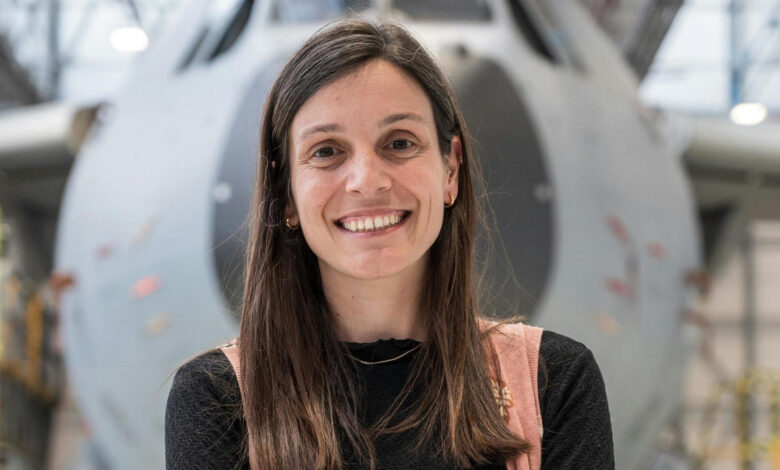
María Gomicia Ripoll, the A400M Maintenance, Repair and Overhaul (MRO) and Retrofit manager at the Getafe site, is a key member of the Airbus Defence and Space MRO team. This team supports a fleet of hundreds of military aircraft worldwide, conducting scheduled maintenance, troubleshooting, and integrating aircraft enhancements both at Airbus facilities and customer locations.
Specifically for the A400M, the MRO teams enhance global retrofitting campaigns to integrate new certified capabilities, including simultaneous parachute release from both side doors, automatic low-level flight, and enhanced airborne delivery and avionics.
What is your background?
With a lifelong passion for the aerospace sector, María joined the Airbus family in 2015 within the Quality Engineering department at the Seville Flight Test Centre. In 2019, she made a pivotal transition that involved relocating and changing her role. This decision propelled her growth as she joined the production team at the A400M MRO & Retrofit in Getafe, supported by the incredible camaraderie of her colleagues. Each day since has contributed to her continual growth and adaptability.
Why did you want to work in maintenance?
Engaging with the comprehensive role of maintenance highlights its critical importance in ensuring safety and efficiency. For María, maintenance serves as the foundation of aviation, offering opportunities to learn and grow. By developing maintenance projects, her team aims to enhance fleet availability and bolster customer confidence in the future. She leads a dependable team focused on expanding their MRO business, prioritizing customer satisfaction, and establishing the Getafe site as an MRO center of excellence.
What are the main challenges of your role?
At the Getafe facility, A400M-related tasks currently emphasize combined initiatives that merge retrofit, maintenance, and added capabilities for customer aircraft. As the business evolves, her team must be prepared to address new challenges. The foremost responsibility involves integrating overall operational planning and managing closed customer contracts while establishing a new maintenance line, all without disrupting the plant’s current work schedule and maintaining strict safety standards.
Additionally, a significant challenge was to create four parallel work lines in a hangar previously limited to two positions until three years ago. Thanks to extensive efforts since 2021—including elevating part of the hangar roof and developing specialized tooling to facilitate aircraft movement—the team successfully accommodated a 42-meter wingspan aircraft through a 35-meter-wide door, effectively doubling the number of hangar positions.
What do you like most in your role?
María deeply values her team, the collaborative support, and the diversity that drives their collective efforts toward the company’s future. The development team for the new MRO site in Getafe comprises members from various functions, including facility management, industrial processes, logistics, and aircraft management, all contributing with enthusiasm to the project. She appreciates the opportunity to unite a diverse group of talented individuals, working together toward a shared objective.
What was the most exciting and/or memorable day of your career?
Technical challenges often create memorable experiences, a sentiment familiar to many at Airbus. One standout moment for María was when they successfully accommodated four aircraft inside the D4 Hangar in Getafe for the first time during an extensive maintenance project she has been involved with over the past year.
How do you see the role of maintenance in the future?
The future of maintenance in the aerospace sector is poised to be crucial. With technological advancements and the growing complexity of aircraft systems, proactive maintenance will be vital for ensuring safety, reliability, and operational efficiency. As sustainability increasingly takes center stage in aviation, maintenance practices will adapt, incorporating innovative solutions.
Emerging proposals from predictive maintenance techniques and new physical developments will make maintenance processes more proactive and efficient, minimizing downtime while optimizing aircraft performance. Overall, the maintenance landscape will evolve, characterized by innovation, sustainability, and a forward-thinking approach aimed at ensuring continued airworthiness.
What advice would you give to someone that wants to work in aviation maintenance?
María advises aspiring aviation maintenance professionals to engage in hands-on work while respecting colleagues and the environment. A deep respect for the storied maintenance department at Airbus is essential, alongside a commitment to learning from experienced colleagues and remaining adaptable to new technologies and methodologies. Moreover, staying focused on supporting teams with innovative ideas is vital for success.
Source: Airbus Defence and Space (2024-05-22)