



Why Qcells is testing solar cells on the moon | Hanwha
What makes work at the frontier possible?
Qcells, a prominent player in the solar energy sector, is making significant strides in tandem technology as part of its long-term vision. The company’s involvement in SSTEF-1 is poised to enhance the scalable capabilities already present in their operations.
With nearly 40% of the U.S. residential market share, Qcells maintains a vertically integrated domestic supply chain in Georgia, boasting an annual capacity of 8.6 GW. Key utility-scale initiatives include the Reclamation Solar Project in Indiana, developed by Zelestra under a power purchase agreement with Meta. This robust manufacturing base enables Qcells to transition next-generation tandem solar technologies from laboratory research to large-scale implementations effectively.
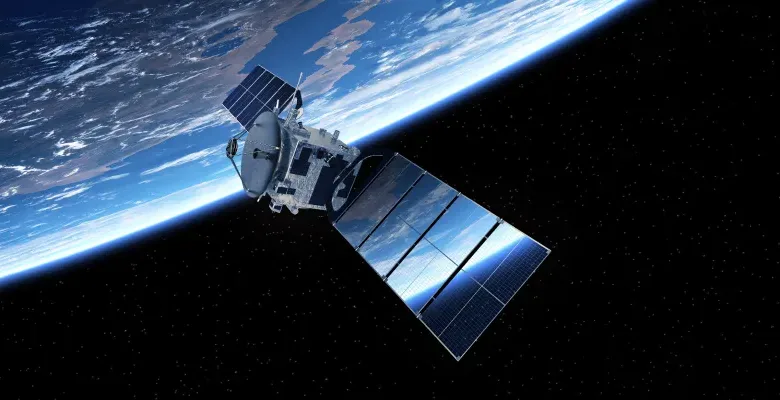
Additionally, Qcells’ parent organization, Hanwha Solutions, is collaborating with Hanwha Systems to develop advanced solar cell and panel technologies for satellites. Through 2028, Hanwha Solutions will spearhead R&D efforts aimed at enhancing high-efficiency cell design and performance, particularly focusing on reliability in space conditions. The initiative includes the design of power solutions tailored for very low Earth orbit (VLEO), where factors such as power efficiency, lightweight construction, and resilience in challenging environments are vital.
As part of their collaborative R&D efforts, Hanwha envisions the commercialization of tandem cells integrated into Hanwha Systems’ ultra-high-resolution synthetic aperture radar (VLEO UHR SAR) satellites, while also advancing this technology for various orbital applications.