


L3Harris Advances Solid-Fueled Ramjet Propulsion for Greater Reach and Faster Effects
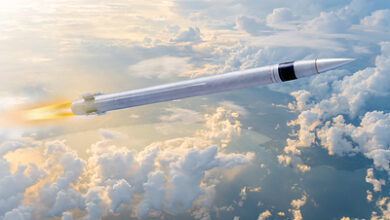
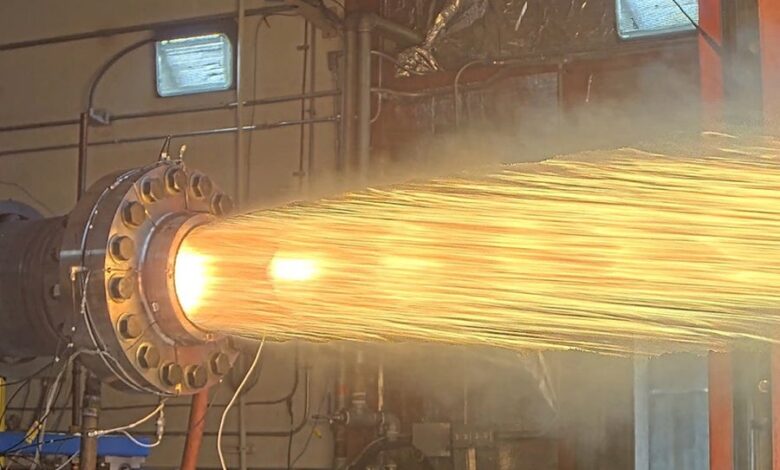
L3Harris has initiated a comprehensive testing campaign for solid-fueled ramjet (SFRJ) technology, a crucial step in validating missile systems aimed at achieving enhanced speed and range capabilities. Conducted at the company’s facility in Orange County, Virginia, these tests have demonstrated that both the booster and SFRJ performance met expected criteria.
This internally funded project aims to equip U.S. forces with increased tactical flexibility, extended stand-off options, and improved rapid-response capabilities in high-end operational environments. L3Harris is focused on advancing this propulsion technology for swift integration into a diverse array of multi-mission missile systems.
“Our team continues to push the boundaries of ramjet propulsion through disciplined testing and new fuel chemistry,” remarked Scott Alexander, President of Propulsion Systems within L3Harris’ Missile Solutions sector. “These test results will guide us as we refine this essential propulsion technology, which is destined to provide a significant operational edge for the U.S. military.”
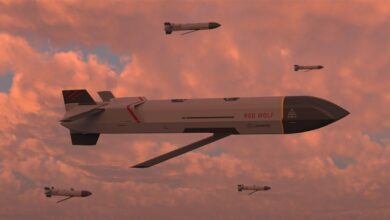
The innovative propulsion efforts at L3Harris also encompass various high-speed weapon projects, including the development of long-range, maneuverable interceptors and strike munitions.
“We are leveraging our deep expertise in propulsion, guidance, and advanced manufacturing to deliver next-generation technology that aligns with evolving mission requirements,” added Alexander. “Our designs seamlessly integrate cutting-edge propulsion with sophisticated sensor technologies to create adaptable, modular, and cost-effective solutions that can be deployed from existing platforms.”
L3Harris’ advances in propulsion technology directly address critical requirements set forth by the Department of War to effectively counter contemporary threats across the battlefield. Enhanced range empowers warfighters to engage adversaries at safe stand-off distances, while improved speed narrows an enemy’s decision-making window, thereby hampering their ability to evade or coordinate attacks. The cost-effective scalability of these systems meets pressing acquisition demands for affordable mass production.
Further ground tests are scheduled for later this year, aiming to expedite the transition of high-speed propulsion from laboratory validation to practical tactical applications. This initiative will provide U.S. forces with greater range, swifter effects, and a distinct operational advantage.
Source: L3Harris (2026-08-25)