



UK drone transformation to strengthen Armed Forces backed by more than £5 billion
The British Armed Forces are set to undergo a significant transformation with a groundbreaking drone initiative, as announced by the Prime Minister, supported by an investment exceeding £5 billion from the Government’s Defence Investment Plan.
Marking the largest drone investment in the history of the UK Armed Forces, this financial commitment will extend over the next four years. The initiative aims to revolutionize drone technology and infrastructure, positioning the UK at the forefront of innovation and generating thousands of jobs within the country.
During a notable address at a British defense firm, the Prime Minister elaborated on how this new funding will enhance the integration of drones and autonomous systems across the Armed Forces, ensuring national security for years ahead as he introduces the Defence Investment Plan.
Current conflicts in Iran and Ukraine illustrate the transformative role of drones in modern warfare, with affordable systems targeting high-value assets and rapid innovation cycles of mere weeks. Ukraine, for instance, reportedly deploys around 200,000 drones per month to counter Russia’s aggression, while during peak operations in the Iran conflict, as many as 700 offensive drones were launched daily.
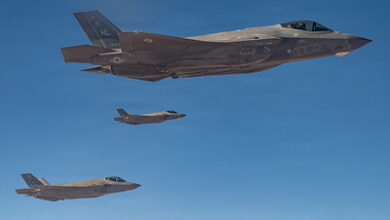
The £5 billion investment is poised to cultivate a flexible and integrated military force, featuring attack drones operating in tandem with Army helicopters, RAF jets equipped with drones to evade enemy detection, and a hybrid Royal Navy comprising both crewed and uncrewed vessels. Additionally, this funding will support the establishment of Europe’s largest drone testing facility, the Uncrewed Systems Centre, which was inaugurated earlier this month in Swindon, alongside the formation of a new Uncrewed Systems Taskforce dedicated to rapidly advancing autonomous capabilities in collaboration with industry partners.
This initiative will enable the UK to progressively scale production, delivering the latest drone technologies to the Armed Forces, thereby enhancing protection for the UK and its Allies.
The Prime Minister emphasized that this investment will reinforce the capabilities of the Armed Forces across land, sea, and air, equipping servicemen and women with state-of-the-art tools necessary to deter emerging threats and safeguard the British populace.
Defence Secretary Dan Jarvis remarked on the swiftly evolving nature of warfare, asserting that this unprecedented investment in advanced technologies will ensure the Armed Forces maintain a tactical edge over adversaries, backed by the finest expertise from the UK defense industry.
This comprehensive investment will introduce a range of capabilities, from sophisticated autonomous mine-hunting drones to small ‘quadcopter’ tactical reconnaissance drones, as well as low-cost ‘kamikaze’ one-way attack drones, thereby accelerating the integration of drone technology across all military services.
Source: UK Ministry of Defence (2026-06-29 21:30:01)