Remayah Interview with MKE’s Selahaddin Adil Kılınçkaya: Industrial Cooperation and New Defence Technologies
Remayah spoke with Selahaddin Adil Kılınçkaya, Deputy General Manager of MKE, about the company's work with Jordan and the region, PIRANA, the TOLGA short-range air defence system, the E-ZPT electric personnel carrier and its next projects.
Cooperation with Jordan and countries in the region
Remayah: How did MKE’s cooperation with Jordan begin, and what are your main projects and relationships with countries in the region?
MKE: Our cooperation in this area began around ten years ago, when we were asked to complete a project for a small-arms ammunition production line in Jordan. The project had been awarded to a foreign organisation and its buildings had been constructed, but work then stopped. We were subsequently asked to help bring the line into service.
At the time, the centre was known as the King Abdullah II Design and Development Bureau, before becoming the Jordan Design and Development Bureau. The small-arms ammunition line was commissioned and is currently operational and in use.
The second project is a facility for filling and assembling mortar and artillery ammunition and aerial bombs. Work has reached its final stages, and the facility is scheduled to be fully operational by the end of the year.
Remayah: Does that mean production now takes place entirely in Jordan?
MKE: The small-arms ammunition line is already operating in Jordan. Work on the facility for filling and assembling mortar and artillery ammunition and aerial bombs has not yet been completed. It is expected to be completed and brought into operation by the end of the year.
We also have cooperative relationships with Saudi Arabia and Egypt, and we have previously sold products to the United Arab Emirates and Qatar.
We view our relationships with countries in the region as knowledge transfer between brotherly nations, with a scope that goes beyond commerce.
PIRANA and integration between air and naval platforms
Remayah: How do your new programmes, including PIRANA and the integration of air and naval platforms, reflect MKE’s current priorities and direction?
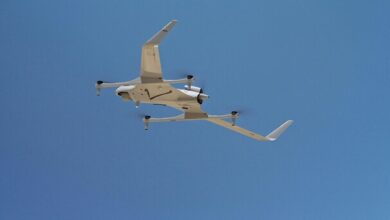
MKE: PIRANA is one of our newest products. It can be controlled from land and from the air via TB2 aircraft and other drones. Its coating also gives it properties that help reduce radar detection.
It is equipped with a warhead containing two charges that act in sequence: the first penetrates the outer barrier, while the main charge detonates inside.
A test of controlling the platform via a TB2 has been conducted.
The TOLGA short-range air defence system
Remayah: In your recent announcement about TOLGA and the 20 mm cannon, what are the main capabilities offered by this development?
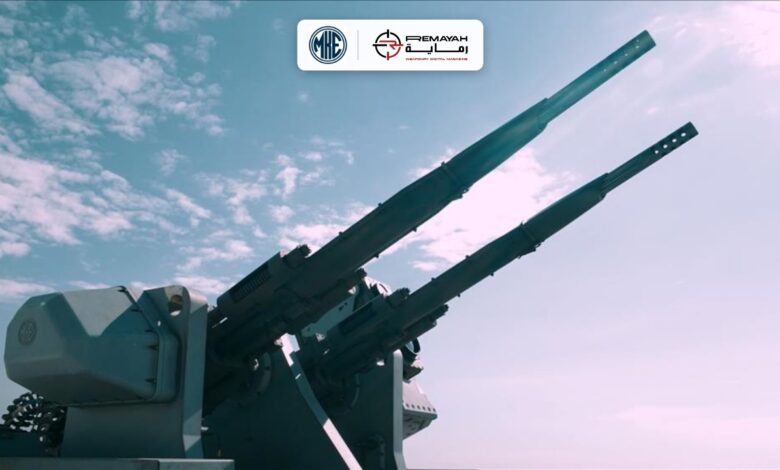
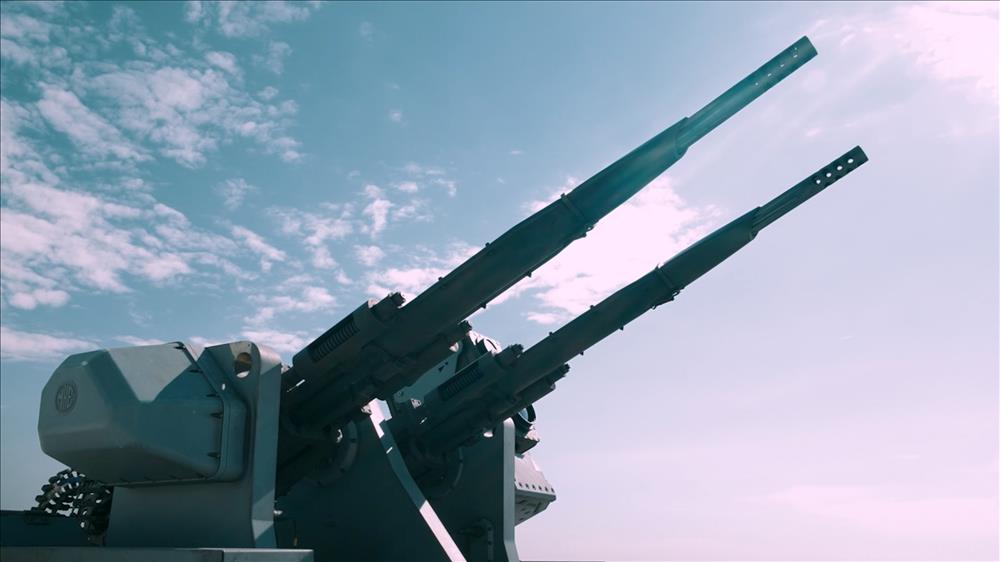
MKE: TOLGA combines three weapon systems within an integrated system. The 12.7 mm weapons engage targets at distances of up to 500 metres; the 20 mm weapons cover distances between 500 and 1,000 metres; and the 35 mm weapon system has a range of up to three kilometres.
The system is intended to counter drones, including small FPV drones and larger drones.
Firing accuracy and further developments
Remayah: How accurate is the system?
MKE: We are talking here about the distribution of projectiles, rather than a single shot. For example, approximately 90% of the projectiles are on target at a distance of 200 metres, falling to around 70% at 500 metres. The system uses repeated firing within a radar-linked system, with firing continuing until the target is brought down.
We are working to add two further technologies to TOLGA: microwaves and lasers.
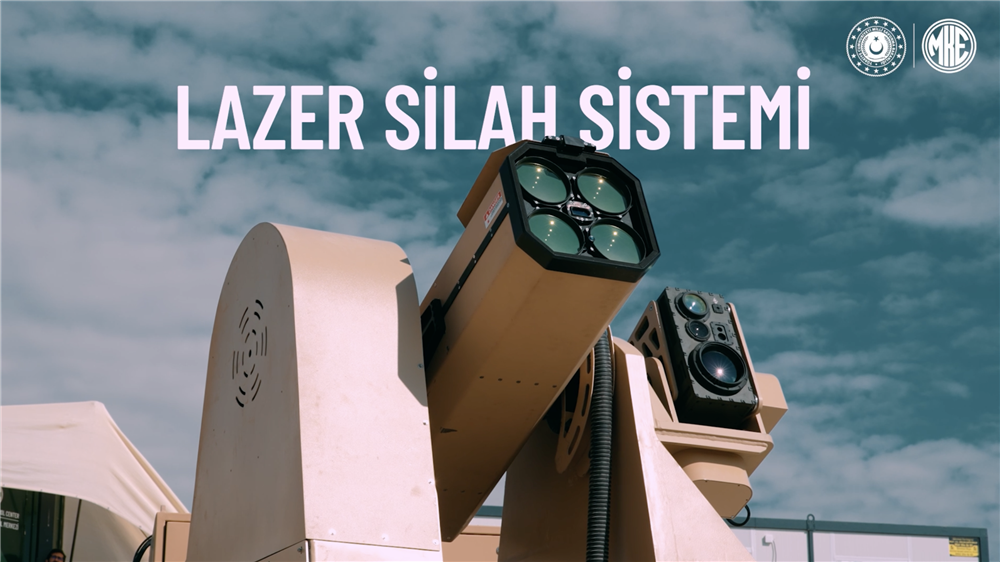
TOLGA protects important sites and facilities. In parallel, we have developed ammunition specifically to protect infantry against drones. One of its main advantages is that it can be used with existing infantry weapons, without the need for an additional weapon.
Electric personnel carriers
Remayah: Following the announcement of additional E-ZPT deliveries, what are the main lessons learned from the vehicle programme so far? How are these informing its development, training and technical support?
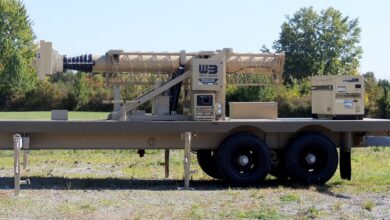
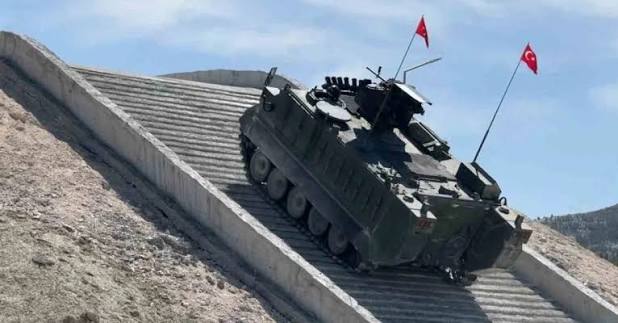
MKE: Electric propulsion offers several advantages, including lower noise and a reduced thermal signature, as well as lower maintenance requirements than conventional engines.
We have delivered vehicles to our armed forces after they passed testing, and we continue to monitor them. No problems have emerged so far. We will use any feedback received during operation to develop solutions and make the necessary improvements.
Integrating TOLGA with other platforms
Remayah: To what extent can your systems, including TOLGA, be integrated with other technologies and platforms, such as ships? Do you face any difficulties doing so in the Middle East?
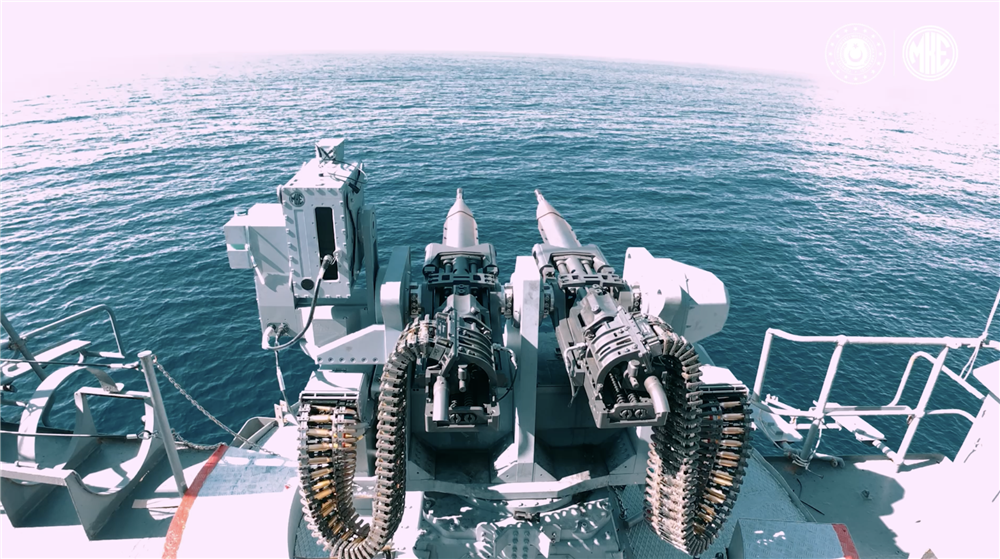
MKE: TOLGA offers a flexible configuration; it is not limited to one fixed arrangement. Its components, the number of weapons and their calibres can be selected to meet the user’s requirements, then linked to the radar in the appropriate configuration.
This design allows the system to be adapted to the requirements of different platforms, including ships. The weapon can also be aimed downwards to address threats close to the sea surface, alongside aerial threats.
Upcoming projects and industrial integration
Remayah: What is the next milestone you are currently working towards and preparing to announce?
MKE: We have new projects, including projects involving artillery ammunition, and we plan to present updates at IDEF.
MKE’s production capabilities are integrated. Some companies specialise in artillery ammunition, small-arms ammunition, gunpowder or TNT, whereas our company brings these fields together within an integrated production chain, from the initial stages through to the finished product.
Remayah: This integrated manufacturing within the company helps simplify the development of new products.